

When to Travel
Taormina, SicilyThere's never a bad time to visit Italy!
Italy offers wonderful experiences throughout the year, from exploring historic cities and relaxing along the coast to enjoying the countryside, outdoor adventures, and seasonal traditions. The best time to visit depends on where you want to go, what you'd like to experience, your budget, and your flexibility with travel dates.
Each season brings its own opportunities and tradeoffs. Summer is popular for coastal destinations and mountain adventures, but often means higher prices, larger crowds, and hot temperatures in the cities. Winter offers festive celebrations, skiing, and opportunities to explore some destinations with fewer visitors, although certain coastal businesses and attractions operate seasonally.
Spring and autumn can offer a wonderful balance of pleasant weather, seasonal experiences, and opportunities to avoid the busiest summer months. However, popular destinations can still be crowded, particularly during holidays and peak travel periods.
Understanding these seasonal differences can help you choose the timing that best suits your interests, travel style, and priorities.
Spring
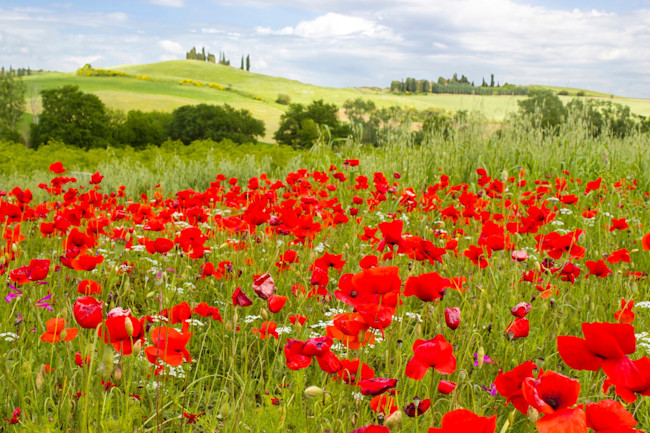
Spring (March, April, and May) is a beautiful time to visit Italy as the countryside comes alive with wildflowers, lush green landscapes, and blooming gardens. Temperatures gradually warm throughout the season, making it a wonderful time for sightseeing, exploring hilltop towns, and enjoying outdoor activities.
Weather can be unpredictable, particularly in March and April, with cooler temperatures and occasional rain. By May, many destinations are experiencing pleasantly warm days, although popular cities are already entering their busy travel season.
Key Considerations:
Weather: Expect variable temperatures and occasional rain, particularly in March and April. Pack layers and be prepared for changing conditions.
Crowds and costs: Early spring can offer better value, but Easter holidays and popular destinations in May often bring higher prices and larger crowds.
Outdoor experiences: Mild temperatures and beautiful green landscapes make spring ideal for sightseeing, countryside walks, cycling, and hiking at lower elevations.
Easter traditions: Holy Week and Easter are celebrated throughout Italy with religious processions, festivals, and local traditions, including Florence's famous Scoppio del Carro.
Coastal destinations: May can be a lovely time to explore the Italian coast before the height of summer, although sea temperatures may still be cool and some seasonal services may be limited earlier in spring.
Food and wine: Spring brings seasonal specialties such as asparagus, artichokes, and fresh peas, along with food festivals and wine events, including Vinitaly in Verona.
Cultural festivals: Spring celebrations include Venice's Festa di San Marco, Noto's Infiorata flower festival in Sicily, and the Corsa dei Ceri in Gubbio, Umbria.
Summer
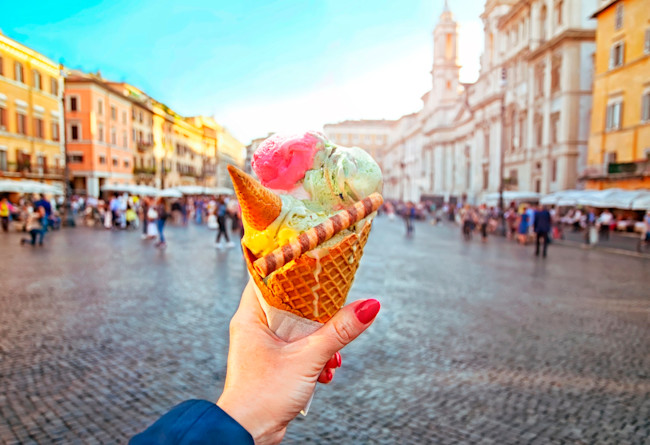
Summer (June, July, and August) brings long, sunny days, lively coastal towns, outdoor dining, and a wonderful calendar of festivals and cultural events. It's an especially appealing season for enjoying Italy's beaches, lakes, mountains, and countryside.
It's also one of the busiest and most expensive times to travel, particularly in popular destinations. Temperatures can be intense, especially in the cities, but with thoughtful planning, a comfortable pace, and the right mix of activities, summer can still be a fantastic time to experience Italy.
Key Considerations:
Heat and weather: July and August can bring intense heat, particularly in Rome, Florence, and other inland cities. Plan outdoor sightseeing for mornings and evenings, with opportunities to rest during the hottest part of the day.
Crowds and costs: Summer is peak season for many popular destinations, especially coastal resorts. Book accommodations and sought-after experiences well in advance.
Coastal escapes: Italy's beaches, islands, and seaside towns are particularly appealing in summer, with warm swimming conditions and a full range of seasonal activities.
Mountains and lakes: The Dolomites, Italian Alps, and northern lakes offer beautiful scenery, hiking, boating, and opportunities to enjoy somewhat cooler temperatures.
Countryside experiences: Sunflower fields, summer produce, outdoor dining, and long evenings make the countryside especially inviting, although daytime temperatures can still be very hot.
August holidays: Ferragosto, celebrated on August 15, is a major Italian holiday. Many Italians take vacations during August, making beaches and mountain resorts especially busy. Some smaller businesses close, while major tourist attractions generally remain open.
Festivals and events: Summer brings outdoor concerts, opera, and traditional celebrations, including the Verona Opera Festival, Siena's Palio, Spoleto's Festival dei Due Mondi, and Venice's Festa del Redentore.
Fall
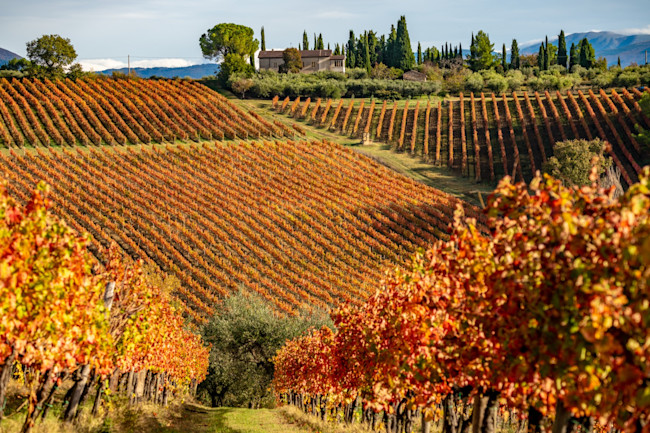
Fall (September, October, and November) is one of the most rewarding times to experience Italy. As summer transitions into autumn, the countryside takes on beautiful golden colors, vineyards come alive with the grape harvest, and seasonal food traditions offer wonderful opportunities to experience Italian culture.
September often retains the warmth and energy of summer, while October brings cooler temperatures and the heart of the harvest season. By November, the pace begins to slow, offering a quieter atmosphere in many destinations, although cooler weather and more frequent rain become important considerations.
Key Considerations:
Weather: September can still feel like summer, especially in southern Italy. October generally brings cooler temperatures, while November tends to be wetter and more unpredictable.
Crowds and costs: September and October remain popular travel months, particularly in Rome, Florence, Venice, and Tuscany. November often offers fewer crowds and better accommodation values.
Harvest season: Grape harvesting typically takes place in September and October, followed by the olive harvest in October and November. Winery visits, olive mills, and seasonal tastings offer opportunities to experience these traditions firsthand.
Seasonal food: Autumn brings porcini mushrooms, truffles, chestnuts, and olio nuovo (freshly pressed olive oil), celebrated through local festivals, markets, and seasonal menus.
Countryside experiences: Changing foliage, vineyard landscapes, and comfortable temperatures make autumn especially appealing for scenic drives, countryside exploration, and walking.
Coastal destinations: September can be wonderful for coastal travel, with warm seas and a more relaxed atmosphere in some destinations. Seasonal businesses and transportation services begin winding down during October and November.
Festivals and culture: Highlights include Alba's International White Truffle Fair, Perugia's Eurochocolate festival, Boccaccesca in Certaldo, and the Venice Film Festival. Autumn also marks the return of opera, theater, and concert seasons in many cities.
Winter
Winter (December, January, and February) offers a different perspective on Italy, from festive Christmas markets and holiday traditions to snow-covered mountains, cozy restaurants, and quieter historic cities. It's a wonderful season for travelers interested in art, culture, food, and winter sports.
Outside the Christmas and New Year's holidays and popular ski destinations, winter generally brings fewer crowds and more affordable accommodations. Temperatures vary considerably across the country, with snow in the mountains, colder conditions in the north, and generally milder but sometimes rainy weather in central and southern Italy.
Key Considerations:
Weather: Expect colder temperatures, shorter daylight hours, and occasional rain or snow, depending on the region. Northern Italy and mountain destinations can experience freezing temperatures, while southern Italy is generally milder.
Crowds and costs: January and much of February can offer excellent value in major cities, with fewer visitors at museums and popular attractions. Christmas, New Year's, and ski holidays are notable exceptions.
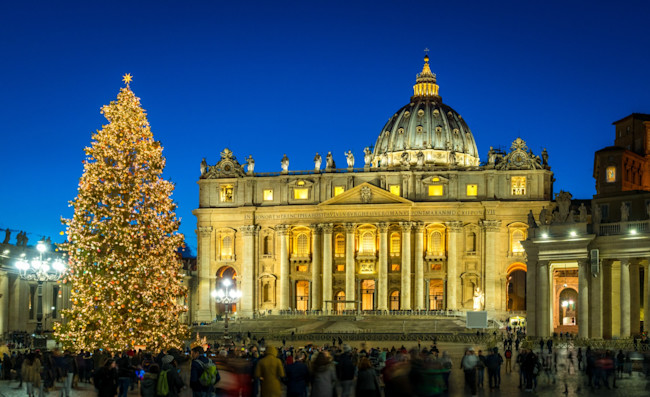
Holiday traditions: Christmas markets, elaborate nativity scenes (presepi), festive lights, and seasonal celebrations bring a special atmosphere to Italian towns and cities. Rome and Vatican City are particularly meaningful destinations during the Christmas season.
Winter sports: The Alps and Dolomites offer world-class skiing, snowboarding, and winter activities, with additional opportunities in the Apennines.
Art and culture: Winter is an excellent time to explore museums, galleries, historic churches, and cultural attractions without the peak-season crowds. Opera, theater, and concert performances also make for memorable evenings.
Seasonal considerations: Some coastal resorts, smaller hotels, and seasonal attractions close or operate reduced schedules during winter. Shorter days and unpredictable weather are worth considering when planning excursions.
Shopping and festivals: January brings Italy's traditional winter sales (saldi), while February is famous for Carnevale celebrations in Venice, Viareggio, Ivrea, and Acireale in Sicily.